FedEx 2Day Research Compounds: What Matters
A delayed research material shipment can disrupt more than a receiving schedule. It can force changes to planned assay windows, instrument time, analyst availability, and internal documentation. FedEx 2Day research compounds give qualified U.S. researchers a practical way to reduce that logistics uncertainty, provided shipping speed is matched by clear batch documentation, appropriate receiving controls, and a strict research-use-only procurement process.
For peptide and related research materials, expedited shipping is not a substitute for quality verification. It is the operational layer that helps a verified, traceable batch move from fulfillment to the laboratory without unnecessary delay. Serious procurement decisions should evaluate both sides of that equation: what was tested before release, and how reliably it can reach the receiving location.
FedEx 2Day Research Compounds and Procurement Control
FedEx 2Day service is valuable when a laboratory needs greater predictability than standard ground transit can provide. For researchers coordinating controlled in-vitro investigations, timing often affects workflow. A shipment that arrives after a planned experimental window may require rescheduling personnel, recalibrating equipment access, or delaying a comparison study.
That said, expedited shipping should be understood as a transit option, not a scientific claim. It does not establish compound identity, purity, concentration, or suitability for a given experimental design. Those decisions begin with the supplier’s quality-control process and the documentation tied to the specific batch.
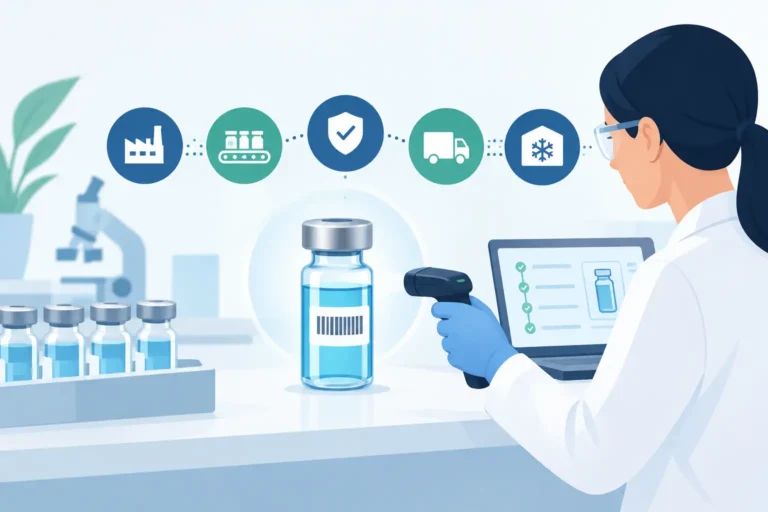
The strongest procurement model treats delivery speed as one component of a controlled chain. The supplier verifies and documents the material before shipment. The carrier provides tracked domestic transport. The receiving laboratory confirms delivery, reviews the shipment condition, retrieves supporting documentation, and records the lot information before material enters internal inventory.
For U.S.-based laboratories, domestic fulfillment can reduce the uncertainty associated with customs processing, international handoffs, and variable import timelines. This matters when procurement teams need clearer expected delivery windows and traceable order status, particularly for time-sensitive non-clinical research programs.
Speed Has Value Only When the Batch Is Documented
A fast shipment of poorly characterized material does not protect research integrity. Before an order is placed, qualified buyers should be able to evaluate the evidence supporting the batch they intend to procure. A Certificate of Analysis is central to that review because it connects a lot or batch identifier with reported analytical results.
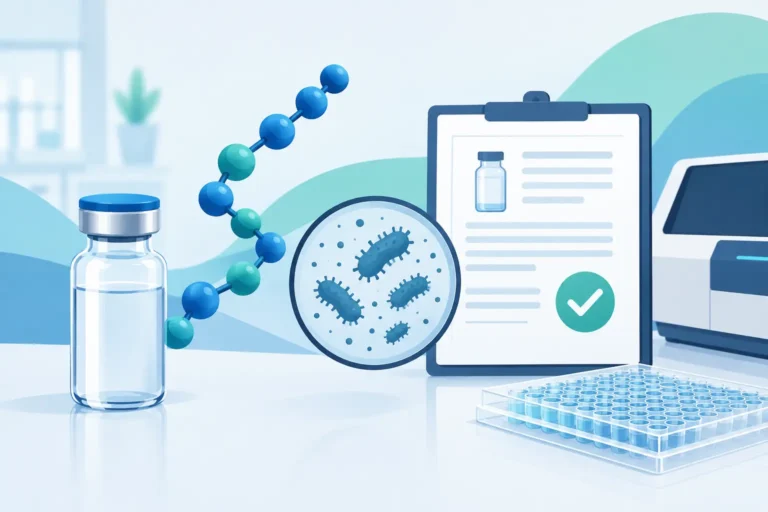
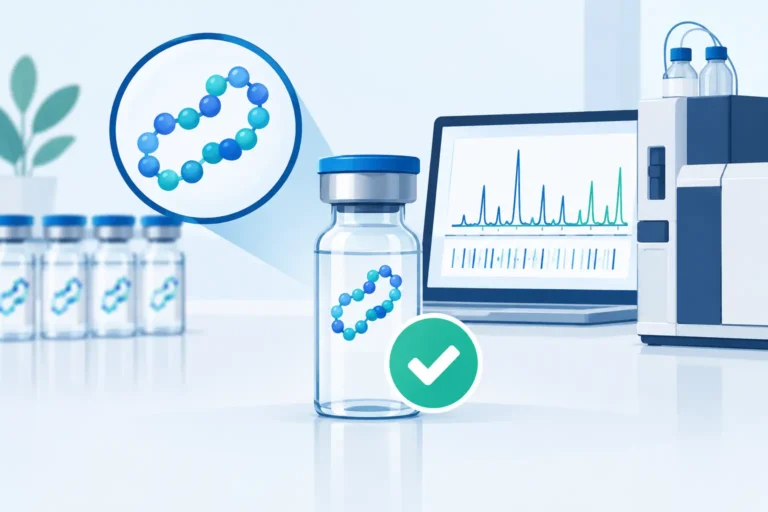
For peptide research compounds, a meaningful quality package may include UHPLC purity screening, mass-spectrometry identity confirmation, qualitative and quantitative analysis, and endotoxin screening where applicable. These data points answer different questions. Purity screening helps characterize the proportion of the intended material within the sample. Mass spectrometry supports molecular identity confirmation. Endotoxin screening can provide an additional control relevant to laboratory handling requirements.
A stated purity percentage alone is not the complete picture. Researchers should consider the method used, the reported batch identifier, the availability of source documentation, and whether the supplier’s quality language is specific rather than promotional. Independent U.S. laboratory testing and published, batch-level COAs provide a more defensible procurement record than generic claims that cannot be traced to a particular material.
Irontide Labs positions its research materials around this evidence-first model, with documented COAs, UHPLC purity screening at 99% or higher, mass-spectrometry identity verification, and batch-level quality controls. The purpose is straightforward: give qualified research buyers objective information before they commit a material to a controlled in-vitro workflow.
Plan the Receiving Process Before You Order
The delivery window is only useful if someone is prepared to receive the shipment. Research procurement teams should establish a simple internal procedure before selecting expedited service. This does not need to create unnecessary bureaucracy. It should create accountability at the handoff point between fulfillment and laboratory inventory.
A reliable receiving process generally includes five controls:
- Confirm a receiving contact will be available during the expected delivery window.
- Verify the shipping address, suite number, access instructions, and approved delivery location before checkout.
- Retain the order confirmation, tracking information, and associated batch documentation in the procurement record.
- Inspect the outer package and contents upon arrival, documenting any visible transit issue according to internal procedures.
- Record the lot or batch number before assigning the material to inventory or a research workflow.
These controls help preserve traceability. They also make later review easier if an investigator needs to compare results across lots, reconcile inventory, or confirm which batch was used in a defined experimental series.
For organizations with controlled access facilities, the final-delivery plan deserves special attention. A carrier may arrive within the service window, but a package can still be delayed if a receiving dock is unmanned, access instructions are incomplete, or a signature requirement cannot be satisfied. Procurement reliability depends on both the shipment method and the laboratory’s readiness to accept delivery.
Match Shipping Speed to the Research Schedule
FedEx 2Day service is not automatically the right choice for every order. The best option depends on the experiment timeline, the material’s documented handling requirements, the cost of a delay, and the laboratory’s capacity to receive and process the shipment promptly.
Expedited domestic shipping can make sense when a study is scheduled, a replacement batch is needed to maintain continuity, or a procurement team needs a more predictable arrival window. It may be less necessary when the research schedule has ample lead time and standard transit offers sufficient predictability. The correct decision is operational, not aspirational.
Researchers should also avoid building critical study timing around the narrowest possible delivery assumption. Carrier networks can be affected by weather, regional disruptions, holidays, and facility constraints. A disciplined procurement plan leaves room for receipt, documentation review, internal inventory entry, and any required laboratory preparation. The goal is not merely to receive the package quickly. The goal is to have a properly documented material available when the research protocol requires it.
Keep Compliance Boundaries Clear
Research compounds must be procured, handled, and used within their stated intended-use boundaries. Materials sold for research use only are not approved or supplied for human use, veterinary use, clinical use, diagnostic use, therapeutic use, or pharmaceutical use. Expedited delivery does not alter those restrictions.
This distinction should remain clear throughout purchasing, receiving, storage, and internal communication. Product descriptions, COAs, order records, and laboratory documentation should align with the actual non-clinical research purpose. Qualified buyers are responsible for determining whether a material is appropriate for their specific controlled in-vitro investigation and for following applicable institutional, legal, and safety requirements.
Clear compliance language is not a formality. It protects the integrity of the procurement process and helps ensure that research materials are evaluated according to analytical documentation rather than implied medical claims. Suppliers should communicate these boundaries directly, and laboratories should maintain them with equal discipline.
Delivery Is Part of Research Readiness
A dependable shipping option supports research readiness when it is paired with verified quality, accessible documentation, accurate order records, and a prepared receiving process. The carrier moves the package. The supplier’s testing establishes what is being shipped. The laboratory’s procedures preserve the traceability needed once it arrives.
For qualified U.S. researchers, that is the practical standard to hold: procure documented research-use-only materials, select a delivery method that fits the actual schedule, and ensure the receiving process is ready before the order leaves fulfillment. When those elements are aligned, shipping becomes less of an interruption and more of a controlled part of the research workflow.